On October 3, 2025, a fresh report unveils the might of Robots.txt for SEO, a tiny file that can make or break your website’s search success. Sitting quietly at example.com/robots.txt, this text file tells search engines like Google which pages to crawl—or skip. Misstep here, and you could tank your rankings overnight, as one ecommerce site learned when a staging file error slashed its traffic by 90%. With AI bots and zero-click searches reshaping the web, mastering Robots.txt for SEO isn’t just smart—it’s survival. This simple tool steers Googlebot, guards sensitive pages, and boosts crawl efficiency, but one wrong line can hide your site from the world.
Robots.txt for SEO: Key Features and Pitfalls to Avoid
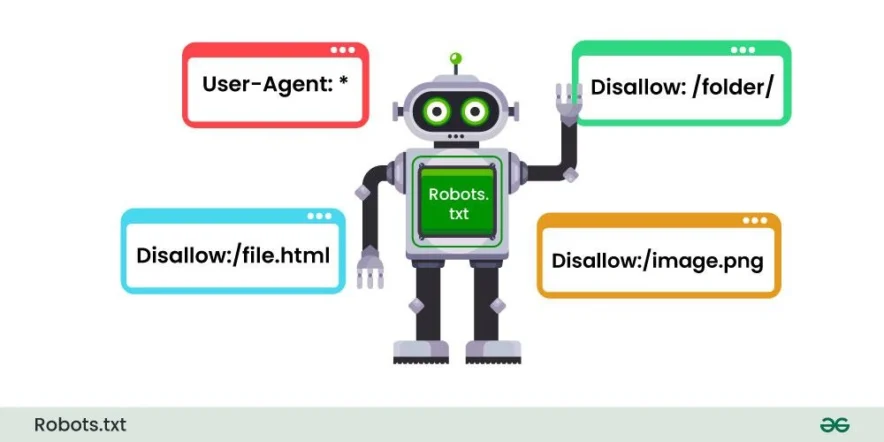
Robots.txt for SEO acts like a gatekeeper, guiding crawlers to your best content while blocking dead ends like duplicate pages or staging sites. Misconfigurations, like case-sensitive errors or blocking JavaScript, can cripple Google’s ability to render your site, tanking rankings. AI crawlers add chaos, ignoring rules or scraping paywalled content, as seen when OpenAI’s bot hit roadblocks. With 65% of searches now zero-click and AI queries soaring, your robots.txt shapes visibility in an AI-driven future.
Key Robots.txt for SEO insights include:
- Crawl Control: Directs Googlebot to prioritize high-value pages, saving finite crawl budget.
- Access Rules: Blocks sensitive areas like admin panels or internal search results.
- Syntax Sensitivity: “Disallow: /Admin/” misses /admin/—case matters.
- AI Challenges: 13.26% of AI bots ignore robots.txt, up from 3.3% last year.
- Caching Lag: Changes take 24 hours to register, per Google’s John Mueller.
- Indexing Myth: Blocks crawling, not indexing—pages can still appear via external links.
Also Read: Email Marketing Statistics: Key Data & Insights
The recent data shows Google sends 831x more visitors than AI, yet bot traffic spikes, with 1 in 50 visits now AI-driven. Publishers fight back, with bot-blocking surging 336% yearly. New standards like llms.txt emerge to tame AI scrapers, offering granular control. Missteps, like blocking critical files, silently erode traffic—check Google Search Console for “Indexed, though blocked” errors. Optimise Robots.txt for SEO to focus crawls on money pages, dodge AI overreach, and future-proof your site. One file, endless impact—test it now or risk vanishing from search.
More News To Read: Google Visitor Statistics: 831x More Traffic Than AI