The Old Link Building Playbook Is Dead
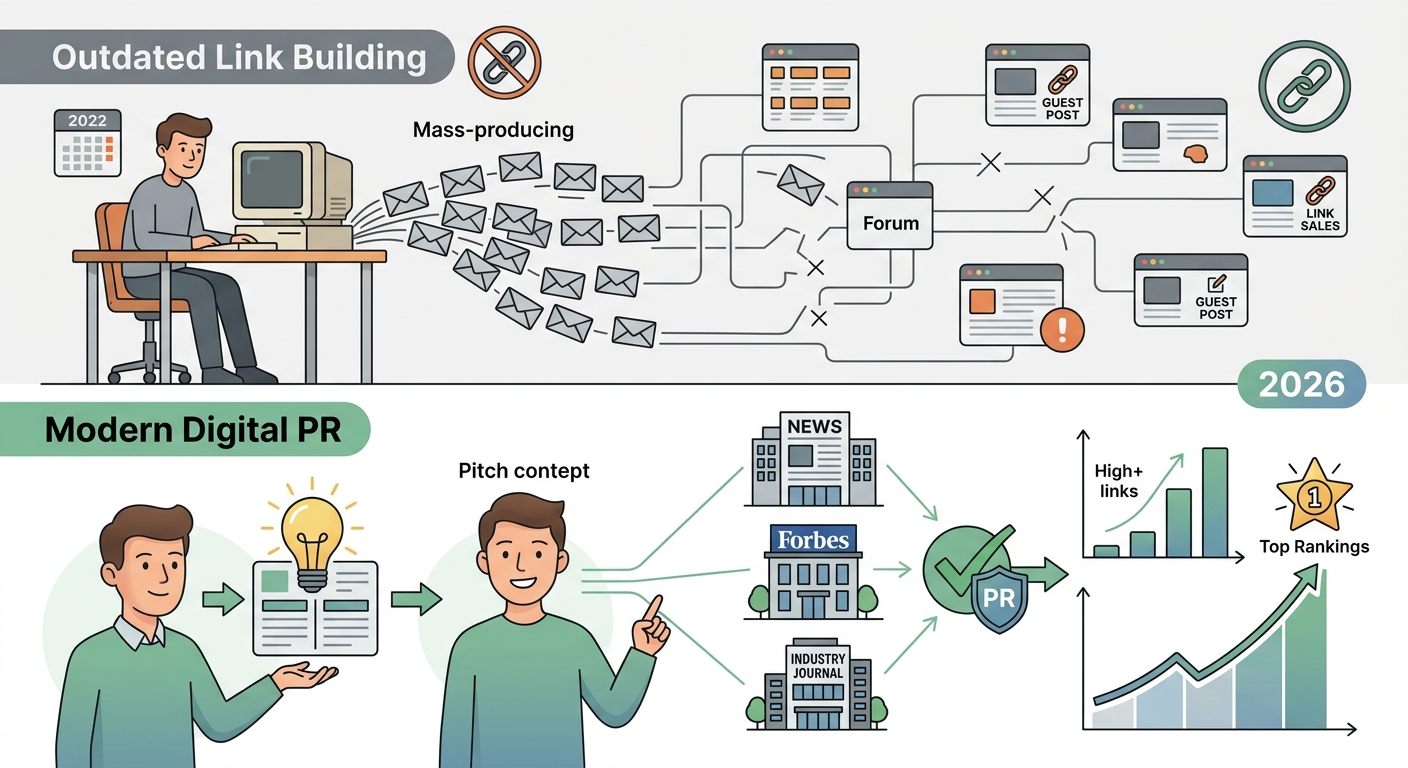
If you are still building backlinks the same way you were in 2022 — mass outreach, directory submissions, guest posts on sites that exist only to sell links — you are not just wasting time. You may be actively working against yourself. The link building landscape in 2026 has fundamentally changed and the bloggers who have adapted are pulling ahead fast.
Digital PR is now the leading link building tactic. 48.6% of SEO professionals rank it as the most effective method for acquiring authoritative backlinks. Top-ranking pages earn 3.8x more links than other results on page one of Google, making a strong backlink profile non-negotiable.
Unlike traditional link building, digital PR earns links from high-authority domains — Forbes, NYT, industry journals — that competitors cannot replicate through standard outreach.
That 48.6% figure is the clearest signal of where the industry has shifted. Nearly half of all SEO professionals now rank digital PR above every other link building method. This is not a niche tactic for big brands — it is the new mainstream for anyone serious about building authority in 2026.
What Digital PR Actually Means for Bloggers
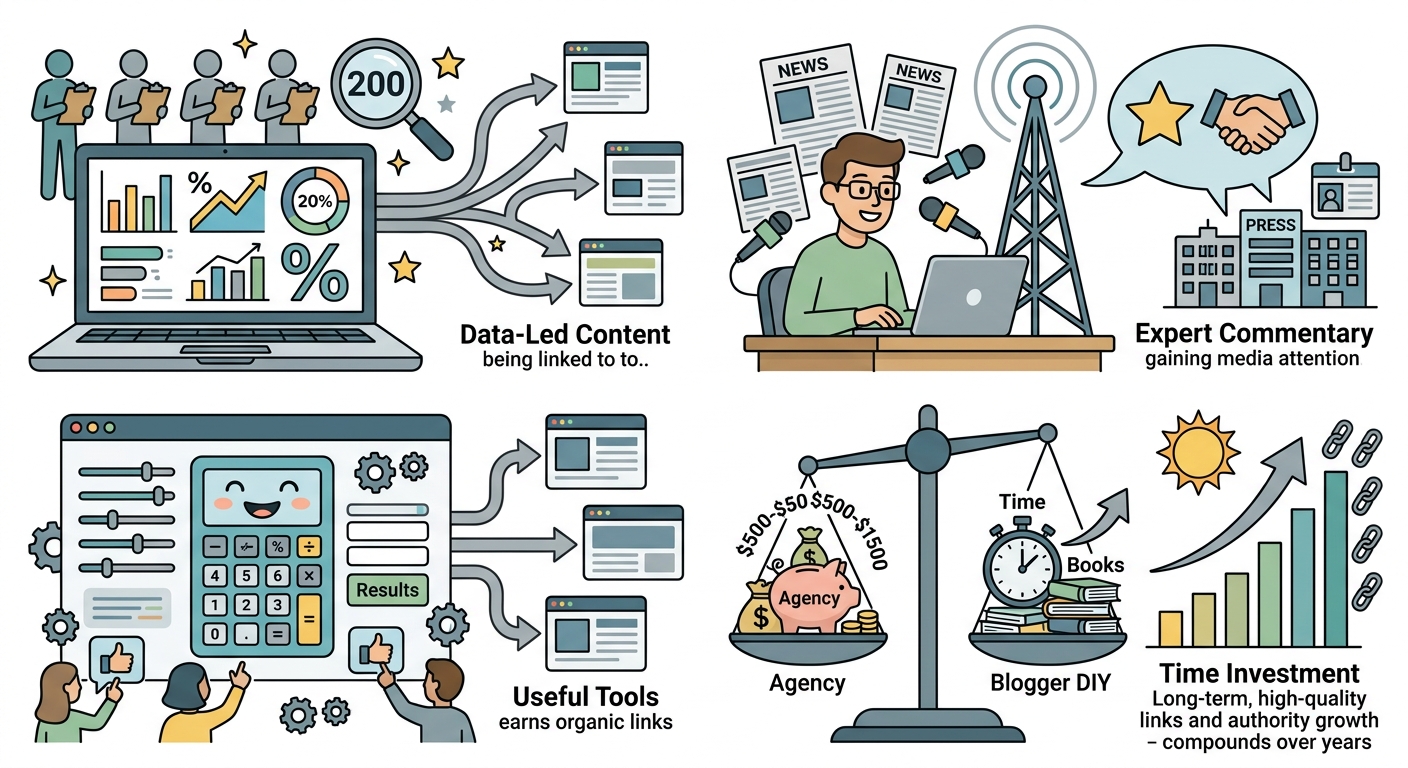
Digital PR for bloggers is simpler than it sounds. It means creating content that is genuinely newsworthy enough that journalists and editors want to link to it naturally. The most effective formats are original surveys and data — a simple survey of 200 people in your niche generates proprietary statistics that other sites will cite and link to.
Expert commentary on trending topics — when a story breaks in your niche, getting your reaction quoted by a publication earns editorial links that no outreach campaign can replicate. Useful tools and calculators that attract organic links from people who discover them through use.
The most effective digital PR campaigns are built on original data — over 90% use data-led content or expert commentary. Google’s John Mueller has publicly stated that digital PR can be more impactful for SEO than technical optimization.
The market has consolidated around quality — expect to invest approximately $500 to $1,500 per link when factoring in the cost of high-quality content production and expert outreach.
That cost figure is for agencies. For bloggers doing it themselves, the investment is time rather than money — specifically the time to create genuinely useful, data-backed content worth linking to. A blogger who publishes original research twice a year is building the kind of link profile that compounds over time in ways that a hundred directory submissions never will.
The Brand Mention Layer
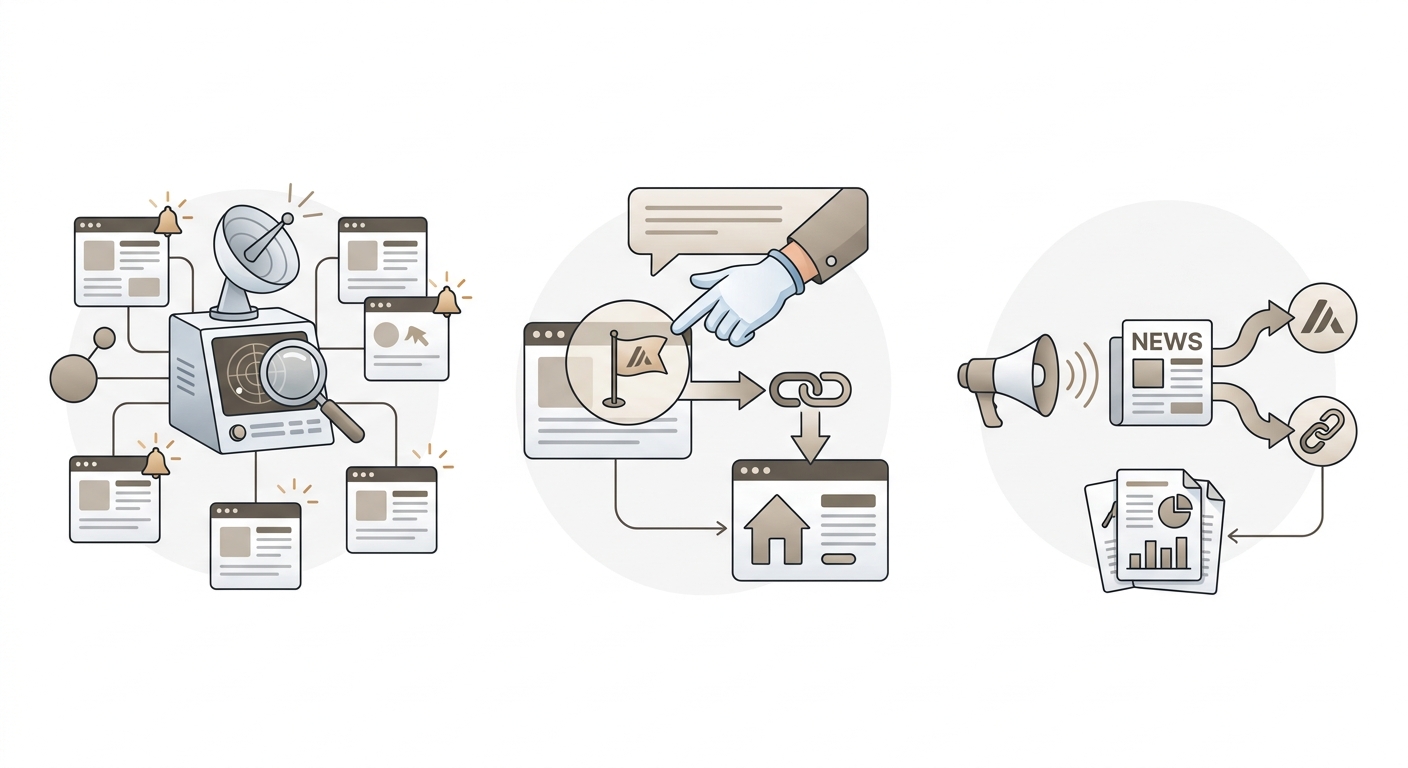
Your link building strategy in 2026 needs to include a brand mention monitoring component. Track where you are being cited, pursue unlinked mention reclamation — converting brand mentions into backlinks — and build digital PR campaigns with dual goals: earn the link and the mention.
Setting up Google Alerts and Ahrefs mention monitoring for your blog name and your key content pieces takes 20 minutes.
Every time someone cites your content without linking to it, that is a link reclamation opportunity — a simple email asking them to add the link converts at a surprisingly high rate because the person already found your content useful enough to mention.
💬 Reddit — r/SEO discussions on digital PR vs traditional link building: 🔗https://www.reddit.com/r/SEO/search/?q=digital+PR+link+building+blogger+2026
🐦 X/Twitter — bloggers sharing digital PR link building results: 🔗https://x.com/search?q=digital+PR+link+building+blogger+SEO+2026&f=live
💬 Quora — how do bloggers build high authority backlinks through digital PR: 🔗https://www.quora.com/search?q=blogger+digital+PR+link+building+high+authority+2026
Quick Links: