Google does not publish guides like this very often. When it does, you read it carefully. Last week Google released its official documentation on how to optimize content for AI search features and the industry is still processing what it actually says.
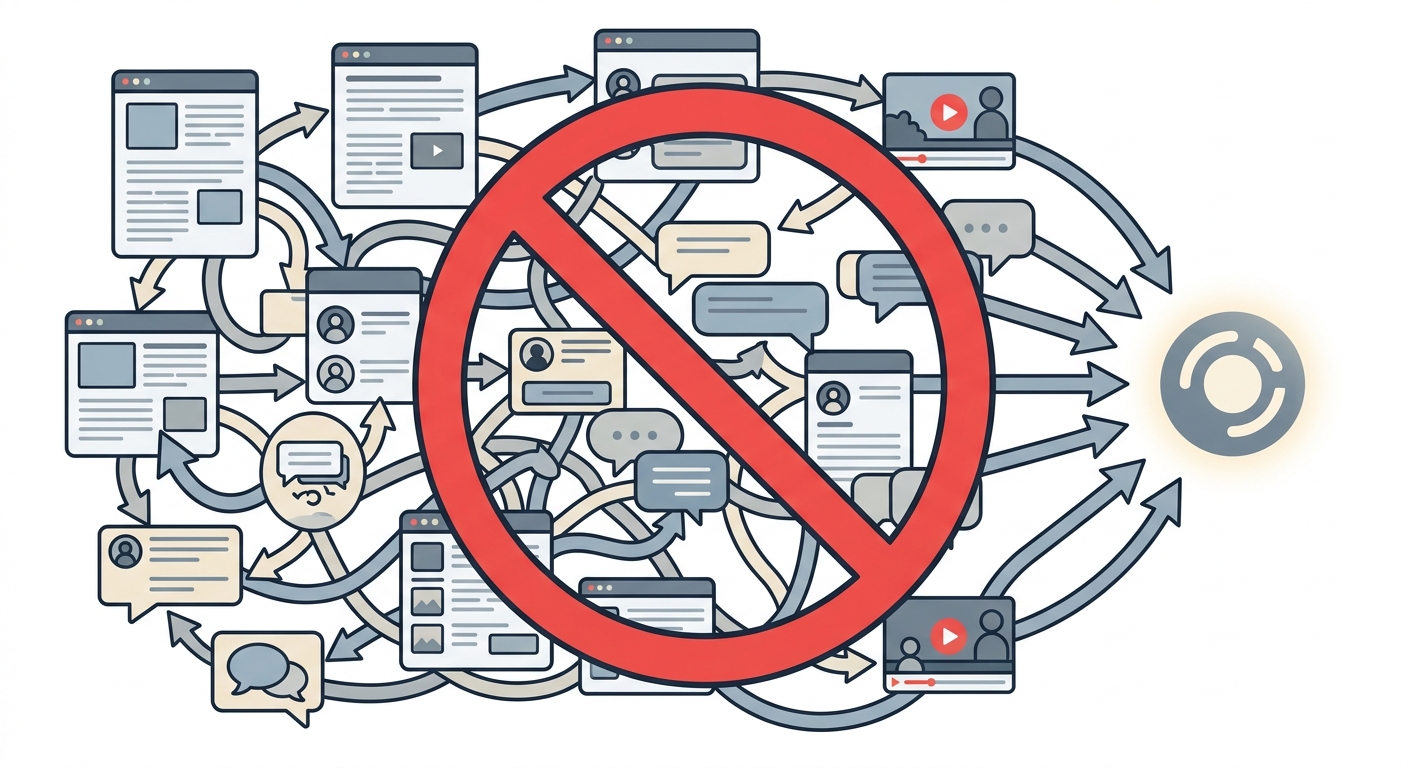
Google’s guide warns clearly against seeking inauthentic mentions across the web. Just like the rest of Google Search, generative AI features can show what is being said about products and services across the web, including in blogs, videos, and forum discussions.
However, seeking inauthentic mentions across the web is not as helpful as it might seem. Core ranking systems focus on high-quality content while other systems block spam, and generative AI features depend on both.
Google said its search spam policies also apply to AI search features and warned about manipulating or buying citations for AI search.
That warning is aimed directly at a practice that has been growing fast. Over the past year, a whole industry of services promising to get your brand cited in ChatGPT, Perplexity, and Google AI Overviews has emerged. Google just told you that chasing those citations through manufactured mentions is spam.
The same rules that got sites penalized for buying backlinks now apply to buying AI citations.
Google clarified that spam includes techniques used to deceive users or manipulate Search systems into prominently featuring content, including attempts to manipulate generative AI responses in Google Search. That wording broadens the practical interpretation of spam beyond the older familiar idea of trying to rank highly.
Reddit’s r/SEO at https://www.reddit.com/r/SEO/ has a heated thread on this guide. The debate is about where the line sits between legitimate brand building and manufactured mentions. Google’s answer is clear — editorial value is the test.
What the Guide Actually Tells You to Do
The guide is clear that commodity content like “7 tips for X” gets ignored. First-hand data, original research, and expert takes are what gets surfaced in AI answers. Link building and content strategy can no longer be separate conversations.
Google warns against creating separate content for every possible variation of how people might search, done primarily to manipulate rankings or generative AI responses. This violates Google’s scaled content abuse spam policy. A high quantity of pages does not make a website higher quality or more relevant to users.
The core of visibility work in 2026 covers a lot of what it has always been — be in the index, for the right entities, with the right intent coverage. There is no separate AI index. If your content is not earning placement in the index for the relevant intent, it cannot be retrieved and it cannot be cited.
That last point is the most important thing in the entire guide. There is no secret AI search system you need to crack separately. The same content that ranks well in traditional search is the content that gets cited in AI answers. Make good content that genuinely answers questions. That is still the whole game.
X at https://x.com/search?q=Google+AI+search+optimization+guide+2026 has SEOs debating which parts of the guide are genuinely new guidance versus restatements of existing policy. The manufactured citations warning is the part generating the most discussion because so much money has been flowing into that practice.
Quora at https://www.quora.com/How-do-I-optimize-my-blog-for-Google-AI-search-in-2026 has practical answers from content creators on what they changed after reading the guide and what results they are seeing.
Quick Links: