
Best For | Best for serious learners who prefer structured lessons, detailed grammar explanations, and offline access to effectively build strong language foundations at their own pace. | Best for casual learners who enjoy gamified lessons, quick exercises, and a fun, engaging approach to language learning with a wide variety of languages. |
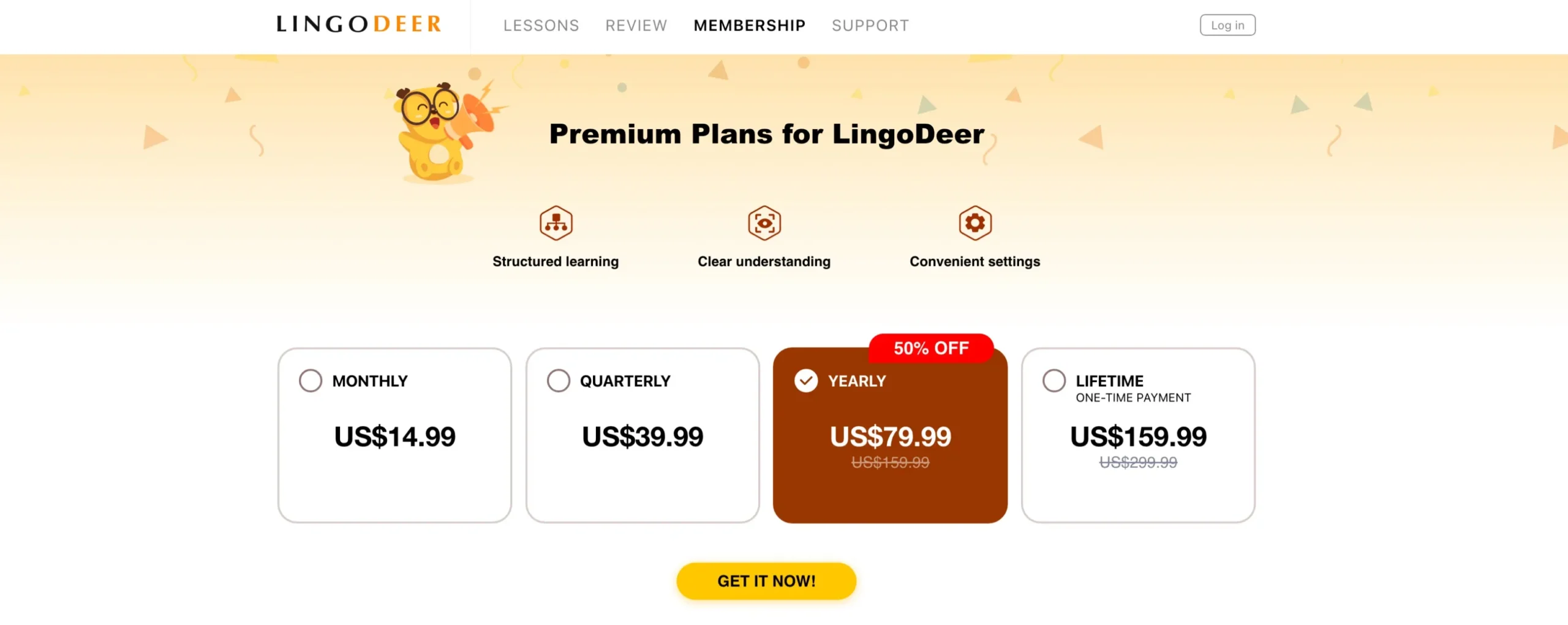
Pricing | $14.99/month | $0/month |
Features | Structured and detailed lessons | Fun and gamified learning |
Pros | Streak system for motivation | |
Cons | Limited free content access | Limited grammar explanations |


If you’re thinking about picking up a new language, there are plenty of tools out there to help you get started.
Two of the most well-known apps for language learning are Duolingo and Lingodeer. Both offer tons of features to help you learn a variety of languages, with easy-to-use methods that fit into your day-to-day routine.
But which one is truly better?
In this post, we’ll compare Lingodeer Vs Duolingo to see which app comes out on top for helping you master a new language!
Lingodeer vs Duolingo 2026: Which One Actually Helps You Learn Faster?
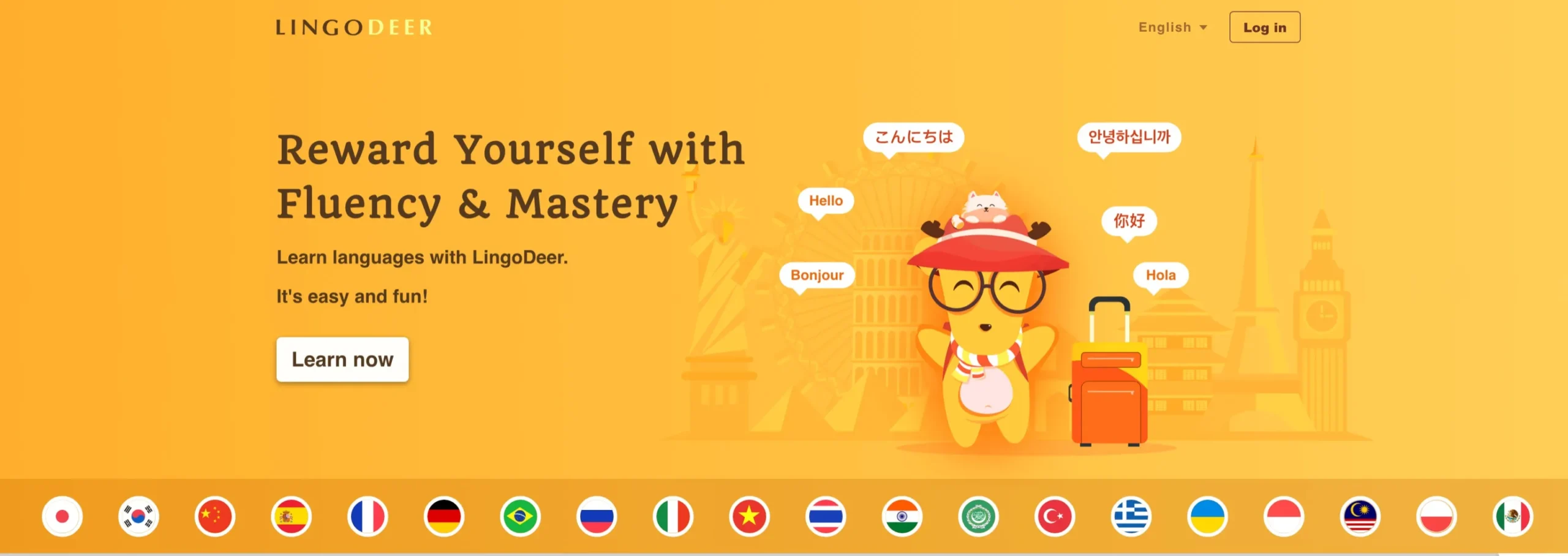
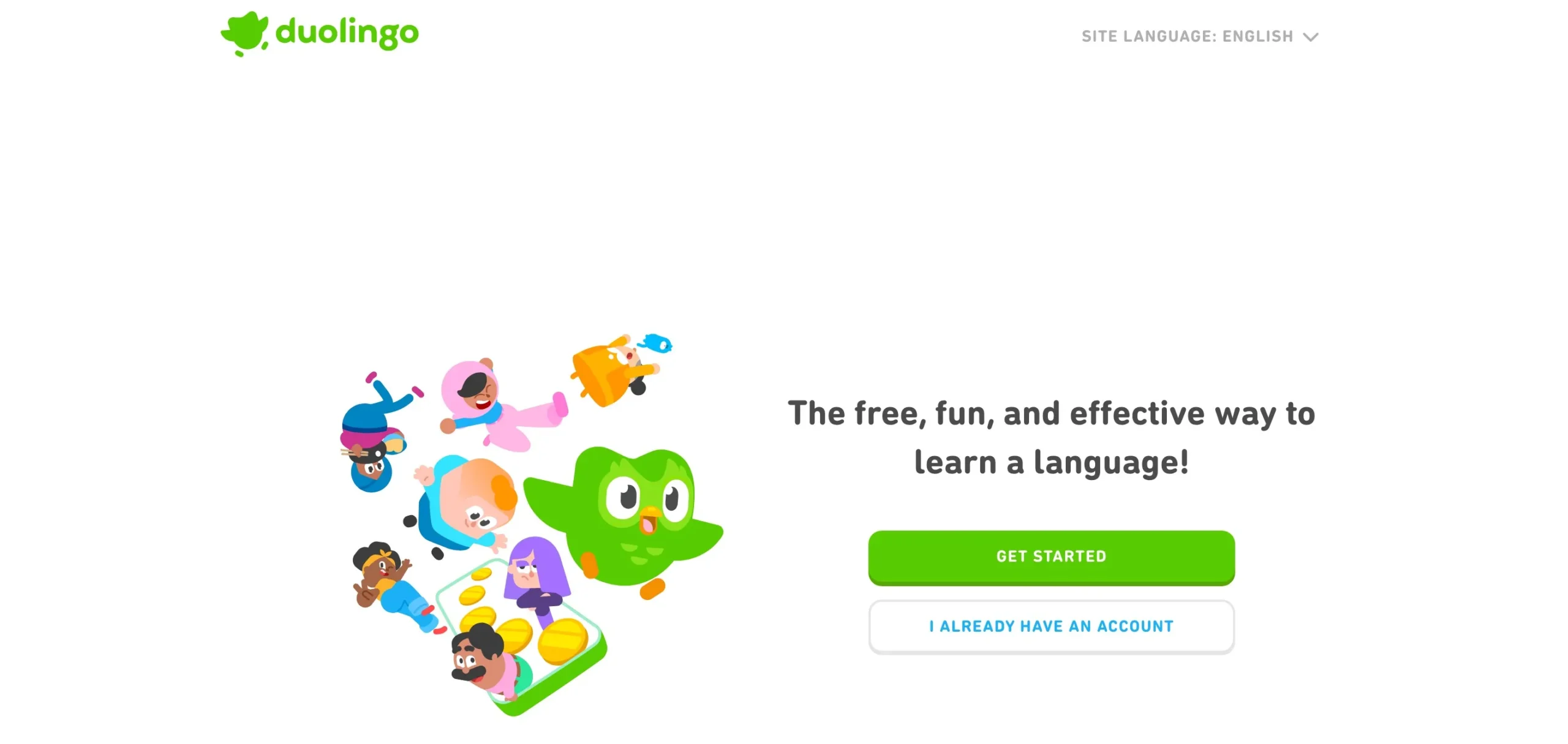
Duolingo Overview
Duolingo employs a functional approach, emphasizing what people want to achieve with a language.
It concentrates on real-life goals, enabling you to order food at a restaurant when visiting a new country!
The lessons are organized by levels. Basics are covered in Level 1, and once you master those, the focus shifts to grammar. When I started learning German on Duolingo, after grasping the basics, I progressed to learning about grammatical genders.
I use Duolingo for personalized learning, as it adapts to my individual learning style. The instant grading system allows me to see immediately which answers are correct and which are not.
The app includes various challenges that let you test your progress and assess how far you’ve come.
As mentioned, there are multiple-choice questions, such as “What do you call a girl?” You are presented with several answers along with photographs to help you guess.
If your answer is incorrect, you lose a heart. Duolingo also offers audio features to help you understand word pronunciation.
Furthermore, it emphasizes speaking skills, which is fantastic for language learners like me. Exercises are blended, so, for example, you might be asked to speak a certain word and later type it.
This approach reinforces your listening skills through audio practice and writing skills by getting you to write specific words. The platform offers numerous grammar courses to help you understand and communicate effectively when traveling abroad.
I completed the Japanese course through this platform, and my experience was excellent. From common phrases used in everyday life to quirky sentences, Duolingo enables you to learn practical language skills that you will need.
Lingodeer vs Duolingo: Key Features
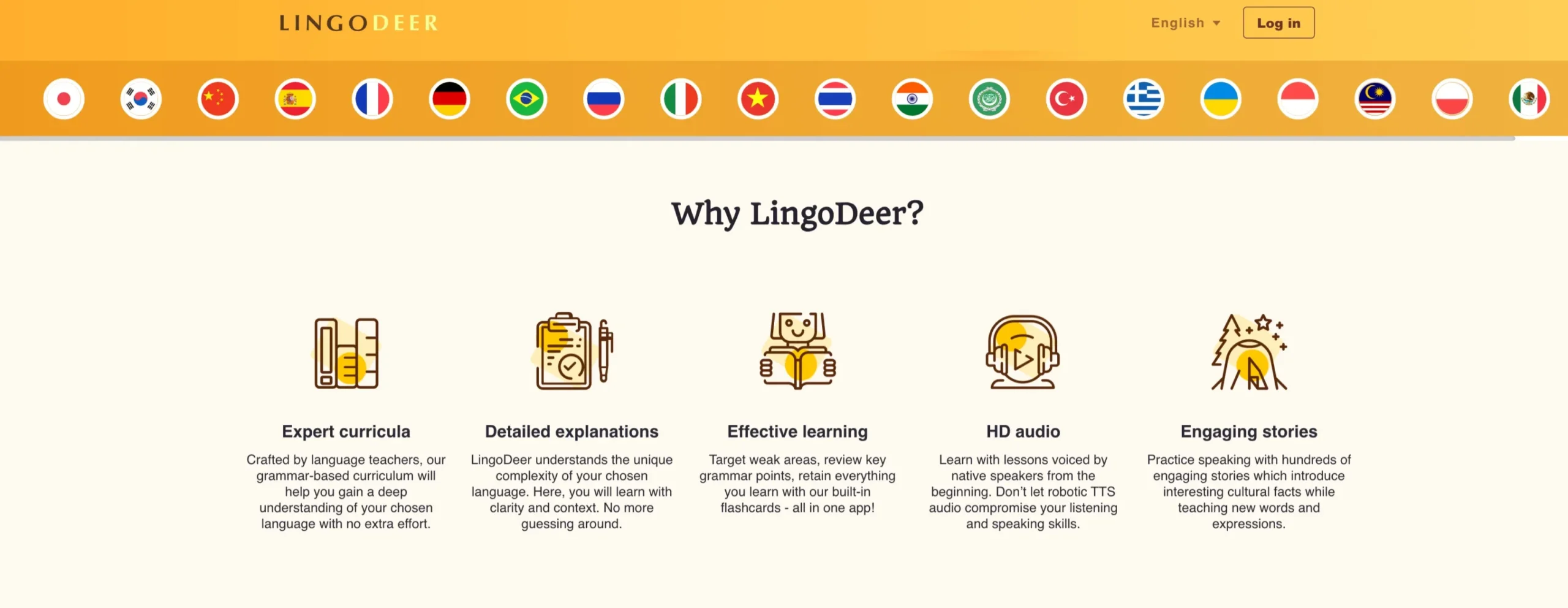
Lingodeer
- Structured Learning – Starts with the alphabet and grammar rules before introducing vocabulary.
- Grammar Explanations – Offers in-depth grammar notes to help learners understand sentence structures.
- Offline Mode – Lessons can be downloaded and accessed without an internet connection.
- Audio by Native Speakers – Provides high-quality recordings for better pronunciation practice.
- Gamified Elements – Includes quizzes, achievements, and progress tracking while maintaining a structured approach.
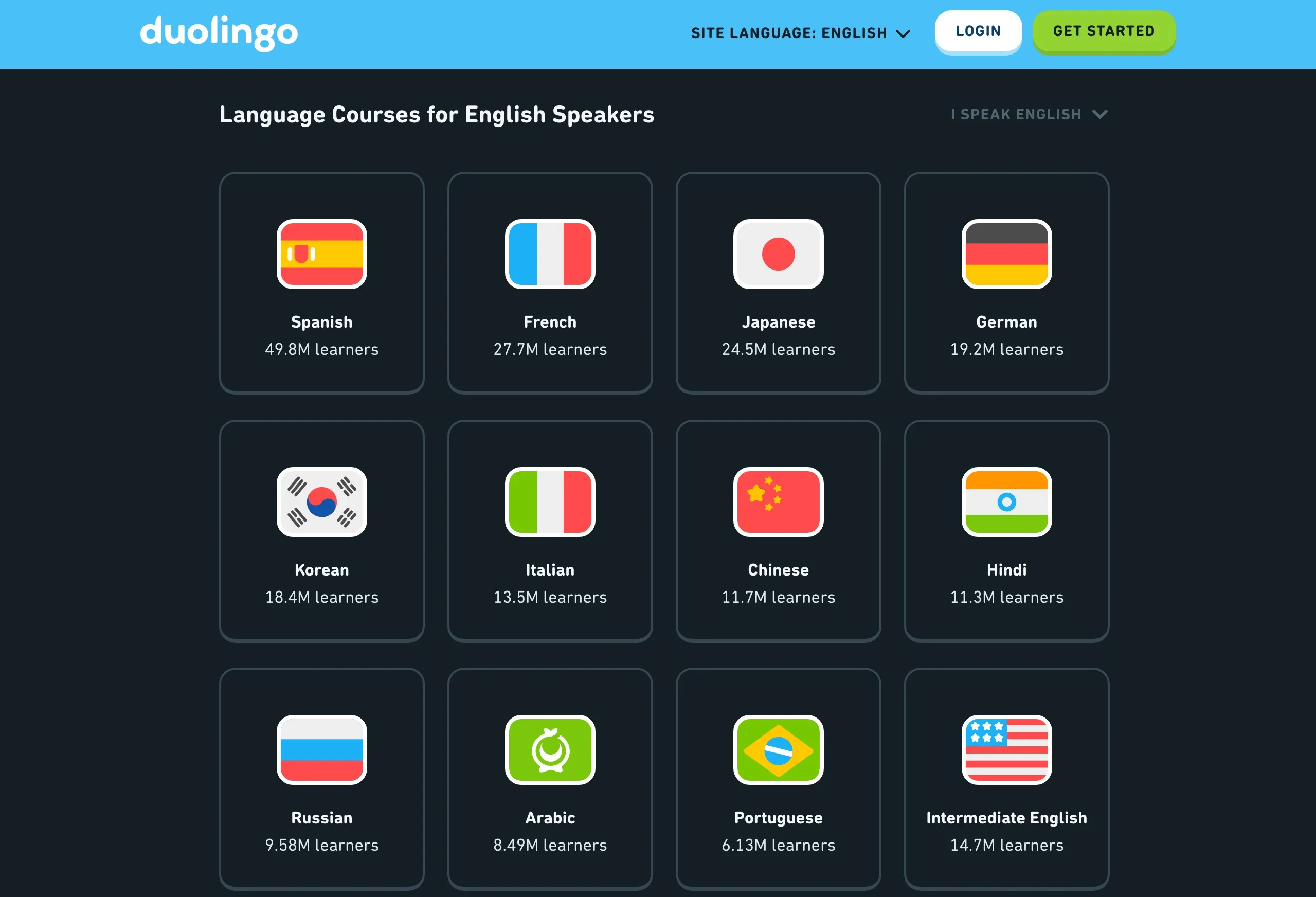
Duolingo
- Gamified Learning – Uses points, streaks, and rewards to keep learners engaged.
- Picture-Based Exercises – Helps users associate words with images for better retention.
- Adaptive Learning – Adjusts lessons based on user performance.
- Wide Language Selection – Offers 40+ languages, including fictional ones like Klingon and High Valyrian.
- Free to Use – Basic lessons are free, with an optional premium plan for extra features.
Both apps have their strengths Lingodeer is great for structured learning with a grammar focus, while Duolingo offers a fun, game-like experience for casual learners.
Lingodeer vs Duolingo: Teaching Approach
Lingodeer
Lingodeer provides a structured learning experience, starting with the alphabet before introducing vocabulary and grammar.
This method is ideal for languages with different scripts, like Japanese and Korean, ensuring a solid foundation before moving forward.
Unlike Lingodeer, Duolingo skips alphabet instruction and jumps straight into learning new words, which may feel faster but can be challenging for beginners unfamiliar with a new script.
Duolingo
Duolingo follows an implicit learning approach, where learners pick up language patterns naturally without heavy grammar explanations.
The platform feels more like a game than a textbook, keeping users engaged through interactive exercises and daily goal setting.
It also emphasizes visual learning, using pictures and multiple-choice questions to help users understand words through context.
While this approach makes learning fun and engaging, it may not be as structured as Lingodeer for grammar-heavy languages.
Both platforms offer unique learning experiences Lingodeer is best for structured learning with a focus on grammar, while Duolingo is great for casual, gamified learning.
Lingodeer Vs Duolingo: Design and Interface
Lingodeer provides a clean, structured interface that helps you follow a clear, step-by-step path through your lessons. It’s ideal for those who appreciate a more traditional learning approach, offering detailed grammar explanations and clear instructions.
However, this structure can feel a bit rigid for learners who prefer more flexibility in their studies or want to jump around lessons at their own pace.
In comparison, Duolingo embraces a fun, colorful design that’s visually appealing and interactive. The lessons are short and gamified, making it feel more like playing a game than studying. You’ll earn rewards, level up, and even compete with friends, which keeps things exciting.
However, some users find the repetitive nature of Duolingo’s lessons a bit monotonous, and its lack of in-depth grammar explanations might not be enough for those serious about mastering the language.
Lingodeer offers a more structured and thorough approach, making it perfect for learners who want to focus on grammar and a step-by-step progression. Duolingo, on the other hand, shines with its fun, casual, and gamified learning experience, ideal for those who enjoy learning through repetition and reward.
Lingodeer vs Duolingo: Learning Tips and Grammar
Lingodeer
Lingodeer excels in grammar instruction, offering detailed, textbook-like explanations within each lesson. Grammar notes are easily accessible on the lesson page and can be viewed at any time during exercises.
This makes it easier for learners to understand language structure as they progress.
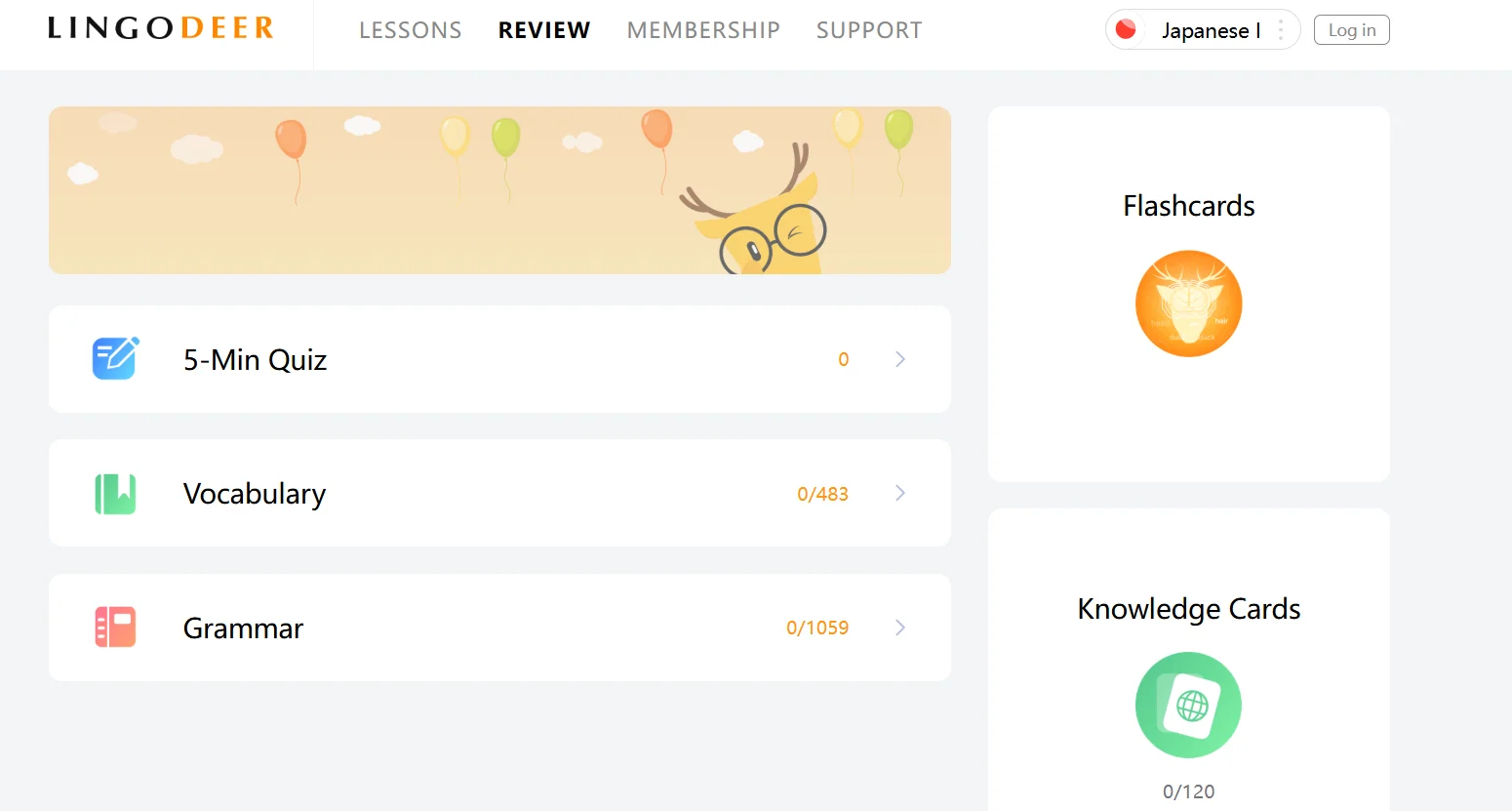
A major advantage of Lingodeer is its flashcards for grammar and vocabulary, along with high-quality native speaker audio, which helps improve pronunciation.
Many learners prefer Lingodeer over Duolingo due to its comprehensive grammar support, making it a great choice for those who want a structured approach.
Duolingo
Duolingo does include grammar, but it lacks depth and accessibility. While grammar rules exist, they are not well-integrated into the app.
Users have to visit Duolingo’s web version to access tips and notes, which is inconvenient.
Even when available, the explanations can be vague or difficult to understand, requiring multiple readings. This makes it challenging for beginners to grasp language rules effectively.
Many users feel that Duolingo prioritizes gamification over structured learning, which can be frustrating for those who want stronger grammar foundations. There is a lack of grammar explanations.
Their approach to teaching adults like kids does not come in handy while learning grammar.
It is not easy to learn grammar without explanation. This makes it very inefficient for people who actually want to focus on their grammar.
Lingodeer Vs Duolingo: Room for Improvement
No application is perfect, and there is always room for improvement.
Both Lingodeer and Duolingo continue to update their platforms to provide a better learning experience, but certain areas still need enhancement.
Lingodeer
One challenge with Lingodeer is that some lessons introduce complex phrases too early, which can be overwhelming for beginners.
A better progression system could help learners get into the language more smoothly.
Another major drawback is limited oral practice. While Lingodeer excels in grammar and structure, it does not emphasize speaking skills, making it harder for learners to develop real-life communication abilities.
Duolingo
Duolingo could improve by providing better grammar explanations and learning tips. Currently, grammar concepts are not well-explained, which can make it difficult for new learners to grasp language rules.
Another drawback is that Duolingo throws users directly into the course without an introduction to the language.
This can be frustrating, especially for complete beginners who may need more structured guidance before diving into lessons.
Both platforms have strengths but also areas where they can enhance the user experience to create a more effective and engaging learning journey.
Customer Reviews
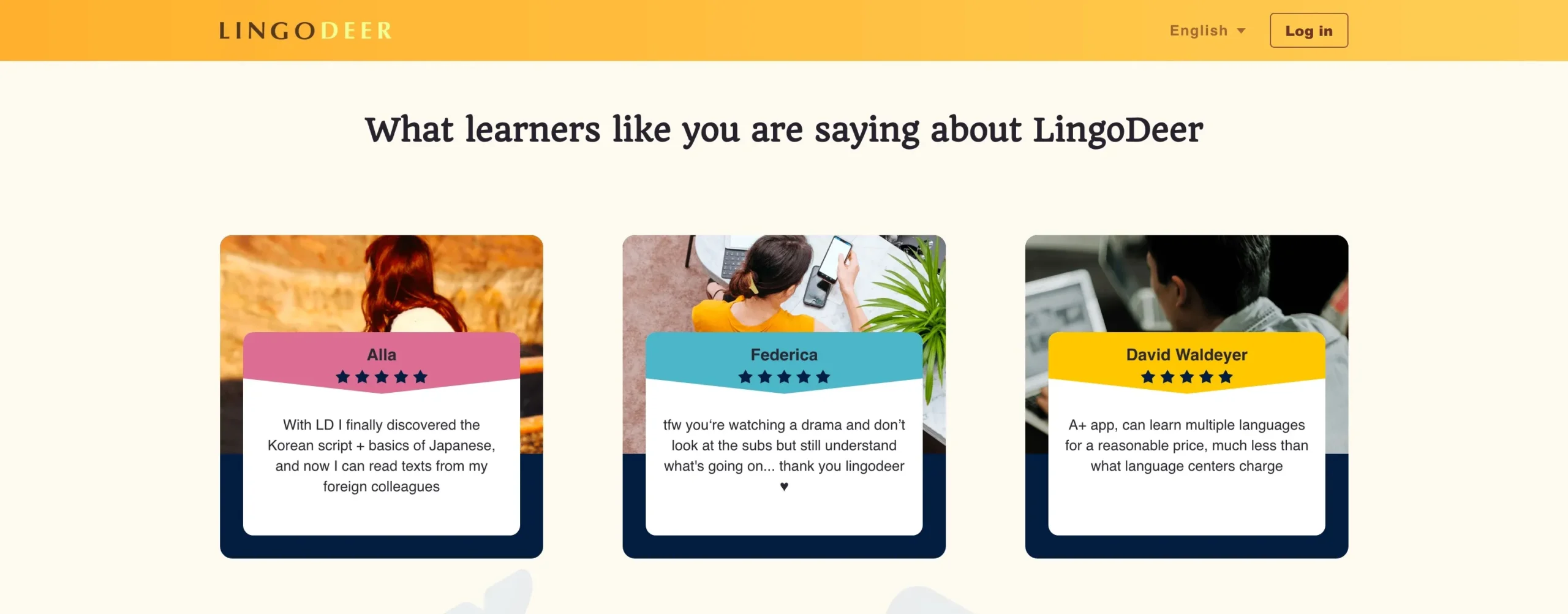
Lingodeer Customer Reviews
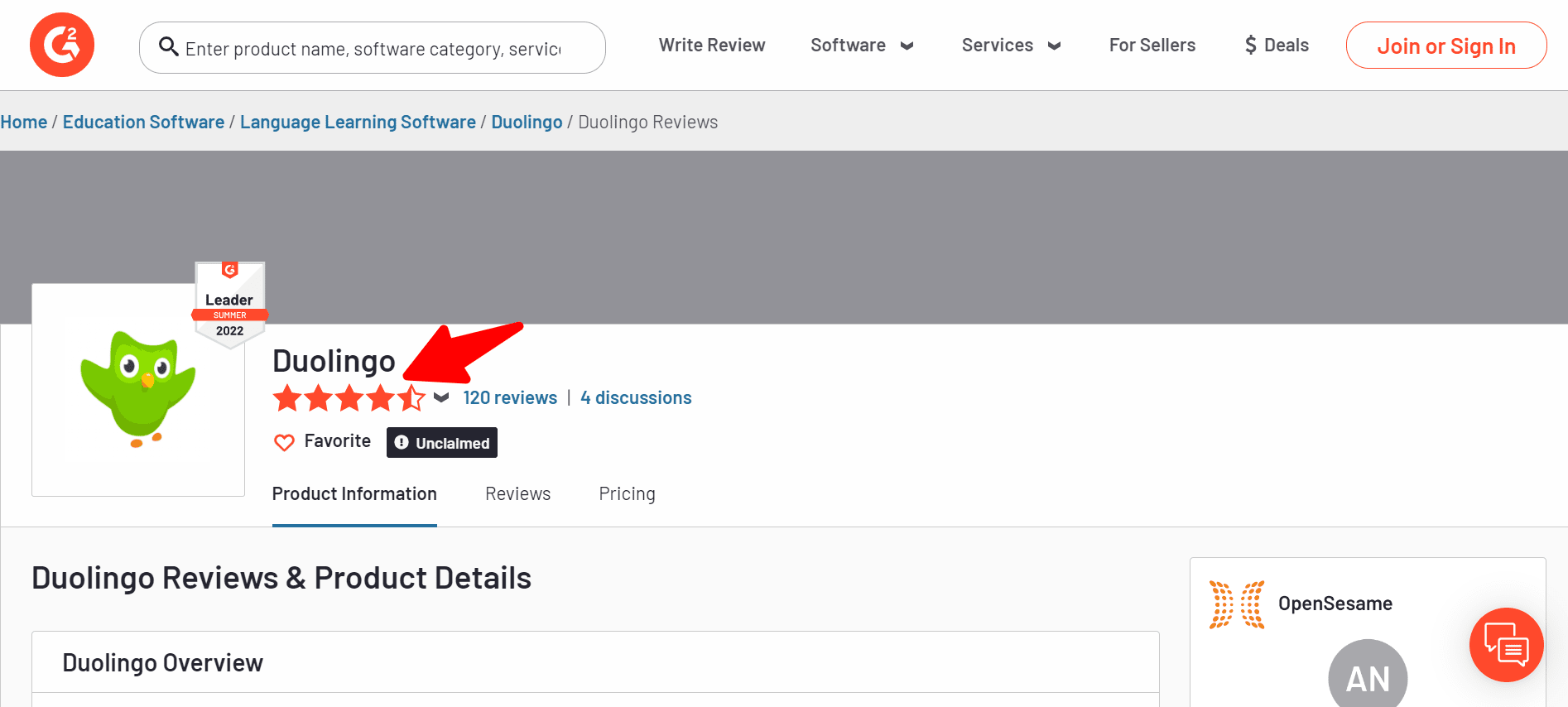
Duolingo Customer Reviews
FAQs
❓Which app is better for learning grammar?
Lingodeer is better for grammar. It provides detailed explanations and focuses on grammar rules, making it ideal for learners who want a deeper understanding.
❓Is Duolingo fun?
Yes, Duolingo is very fun! It uses a gamified approach, earning points, leveling up, and competing with friends to keep learning exciting and engaging.
❓Can I learn offline with Lingodeer?
Yes, Lingodeer allows offline learning, so you can study without an internet connection once you’ve downloaded lessons.
❓ Can I practice speaking in both apps?
Yes, both apps offer speaking practice, but Lingodeer provides more detailed feedback and pronunciation practice through voice recordings.
Quick Links
- Lingvist vs Duolingo
- Rocket Languages Courses Coupon Codes
- Udacity Vs Coursera
- Codecademy vs Udemy
- Pimsleur Vs Rosetta Stone
- Rocket Languages Vs Rosetta Stone
- Duolingo vs Rosetta Stone
Conclusion: Lingodeer Vs Duolingo 2026
With the rise of language-learning apps, picking up a new language has never been easier. Everything is now accessible at our fingertips, but ultimately, success depends on your dedication and consistency, no matter which app you choose.
There’s no single “winner”; the best app depends on your personal learning style and goals.
If you’re interested in Asian languages like Japanese or Chinese, Lingodeer is a better choice due to its structured lessons and strong grammar support.
Although its premium plan is more expensive than Duolingo’s, the quality of content makes it worth the investment.
For casual learners or those who enjoy a gamified experience, Duolingo remains a great option. The key is to choose the app that best aligns with your needs and learning preferences.

Great comparison! It’s interesting to see how both platforms cater to different learning styles. I personally prefer Lingodeer’s structured lessons, but Duolingo’s gamification keeps me motivated. Can’t wait to see how they evolve in 2025!
Learning a new language was always difficult to me and because of my profession i have to travel all over the world. After reading your content, i found out that learning a new language can also be fun so thanks for that mate.
I want to learn french but there are so many platforms out there and i was confused. I needed guidance and you provided that i am really greatful for that. Thank You!